
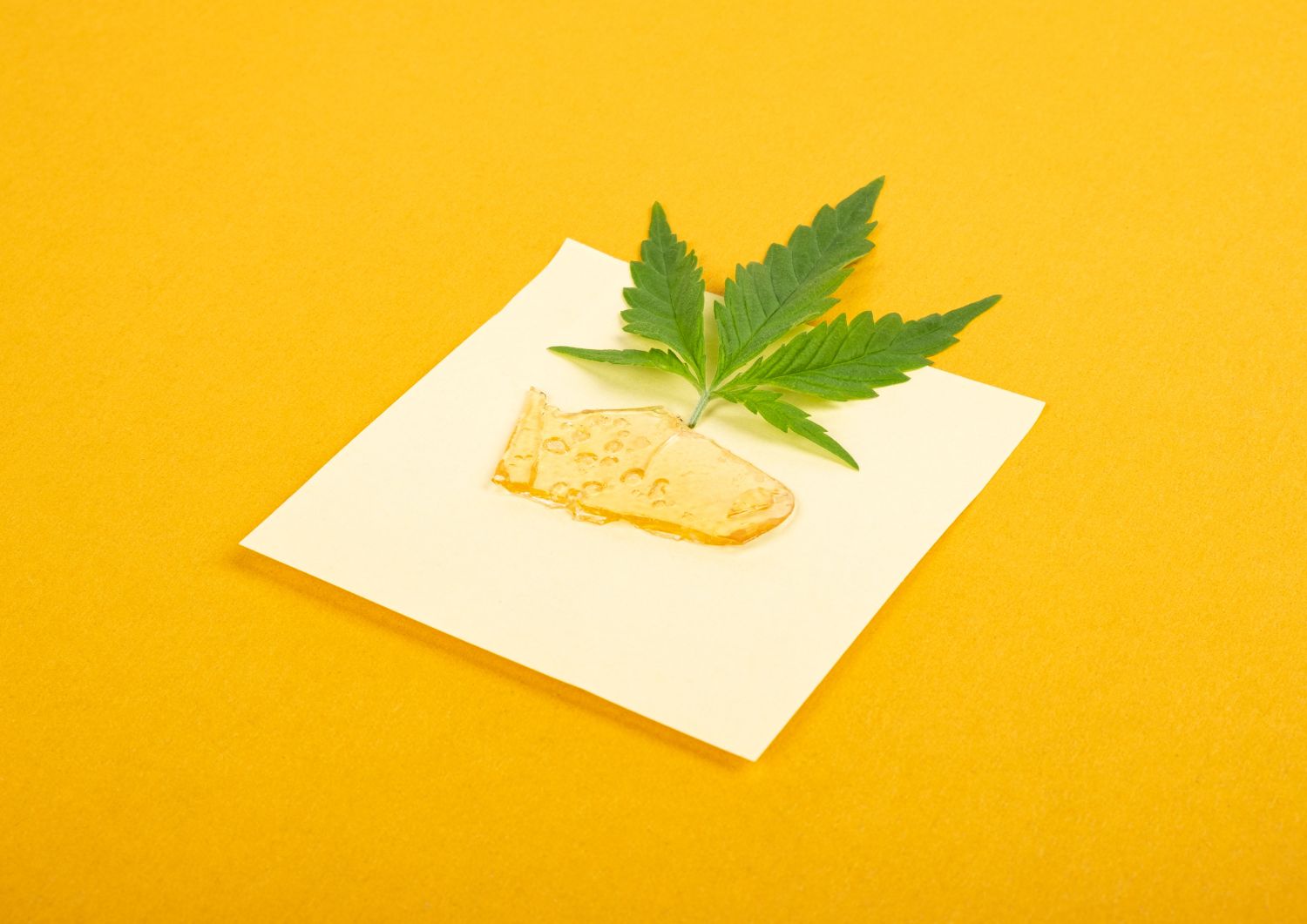
Decoding the Basics of the Science of Rosin
Rosin’s appeal is its simplicity: a cannabis concentrate made purely with heat, pressure, and the plant’s own natural resins—no chemical solvents needed. My experiments with different types of rosin presses (machines that use heated plates to squeeze cannabis material) highlight how easily this method extracts rich, flavourful oil from high-quality whole dried cannabis buds (flower) or bubble hash (a concentrate made by agitating cannabis in ice water to separate resin glands).
Trichomes, the sticky bud glands, are packed with cannabinoids and terpenes. Applying heat and pressure causes them to release golden oils without harsh chemicals. This clean process allows rosin to better preserve the plant’s profile than many other methods, attracting users seeking a natural alternative.
Rosin’s purity stems from solventless extraction, making it desirable for those mindful of what they’re inhaling. This explains why rosin delivers such an authentic and potent experience.
How Heat and Pressure Unlock the Science of Rosin
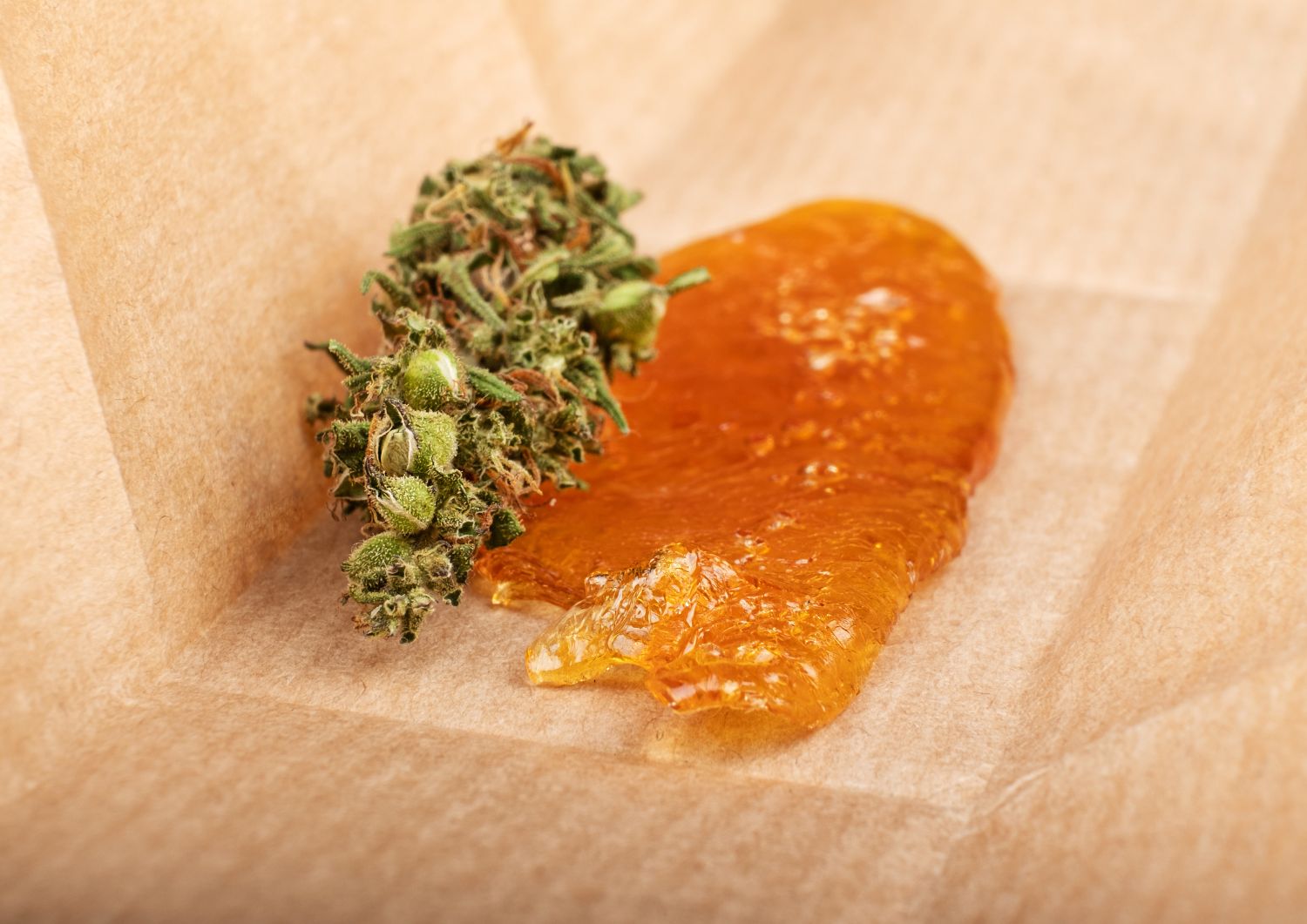
Diving deeper into the science of rosin, heat, and pressure is the real star of the show. Heat softens the resins, making them flow, while pressure squeezes them out like juice from a fruit. It’s a delicate balance—too much heat, and you risk degrading those precious terpenes; too little, and you won’t get a good yield.
I’ve found that pressing flowers (whole cannabis buds) at temperatures around 180-220°F often works wonders, turning solid trichomes into amber-colored rosin. The pressure—typically 600-1000 PSI (pounds per square inch)—forces oil through micron bags (fine mesh pouches that hold cannabis material and filter out plant debris), leaving unwanted plant matter behind. This mechanical magic is what sets rosin production apart from solvent-based extracts.
In Canada, where quality concentrates are available, rosin’s popularity comes from its clean process—straightforward physics delivering a full-spectrum product. It’s why enthusiasts like me keep coming back to explore it time and again.
Terpene Preservation: A Key Element in the Science of Rosin
Terpenes are the aroma and flavour powerhouses in cannabis, and rosin excels at keeping them intact. Unlike some extractions that strip volatile compounds, rosin’s low-heat approach preserves strain-specific taste. Lower temps, especially under 200°F, help prevent terpene loss for a true-to-plant experience.
Research highlights how careful pressing retains more of these beneficial molecules, contributing to the entourage effect. When I dab a well-made rosin, the burst of citrus or pine feels alive, almost like smoking the flower itself. That’s the beauty of the science of rosin—it’s all about honouring the plant’s natural chemistry.
At Top Shelf BC, rosin stands out for its vibrant profiles, making every session flavourful and nuanced.
Live Rosin vs. Traditional Rosin: Exploring the Science
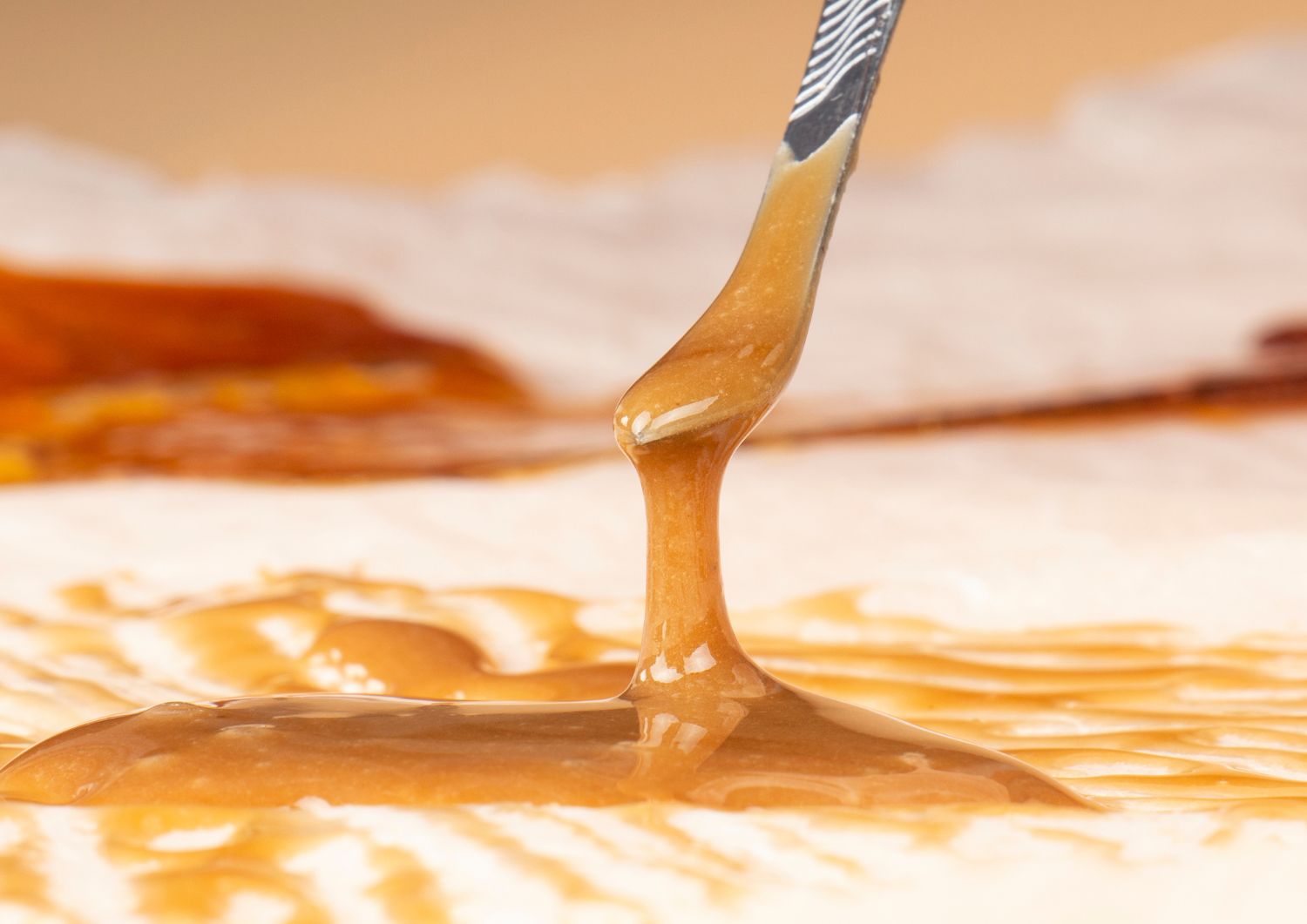
The difference between live rosin and traditional rosin comes down mostly to the starting material and how it’s prepared. Live rosin is made from cannabis plants that are rapidly frozen right after harvest (flash-frozen) to lock in freshness and extracted while still fresh, preserving more volatile compounds like terpenes. Traditional rosin, by contrast, is pressed from air-dried and cured cannabis flower or hash, meaning plant material has had time to lose some moisture and volatile content before extraction.
Traditional rosin, pressed from dried flower or hash, offers robust, mature flavours. Both rely on the same heat-and-pressure principles, but live versions often shine with brighter, more vibrant notes. Studies suggest this freshness enhances therapeutic potential, making live rosin a go-to for many.
In Canada, where innovation thrives, exploring both versions reveals rosin’s versatility. Whether you prefer cured or live, it’s all about personal taste.
- Live rosin: Brighter terpenes, often saucier texture.
- Traditional rosin: Deeper, earthier profiles with higher yields.
- Both: Solventless purity and full-spectrum effects.
Why Solventless Matters in the Science of Rosin
Solventless extraction is what sets rosin apart. By eliminating chemical solvents, rosin avoids the risk of residuals, delivering pure plant essence.
Health-conscious users appreciate this purity, especially for dabbing or vaping. In Canada, this transparency drives popularity as folks seek natural alternatives.
This mechanical process yields a safer, more authentic concentrate. That’s why I always reach for rosin when I want something unadulterated.
The Role of Starting Material in the Science of Rosin
In rosin, quality inputs yield quality outputs. Premium flower or hash brings sticky, aromatic results thanks to high trichome content. Choosing the right material is crucial. Fresh-frozen material captures peak potency, while cured buds offer complex flavours. Trichome density and maturity directly impact results. Poor material leads to muted tastes, but top-shelf stars shine.
Trial and error has shown that starting with quality material elevates each batch. Prioritizing inputs makes a noticeable difference.
Temperature and Time Variables in the Science of Rosin
Mastering temperature and time is where artistry meets rosin science. Lower temps preserve terpenes and create a batter-like consistency. Higher temps boost yield but can darken the oil. Press times range from quick squishes to longer presses for full extraction.
Cold-curing post-press stabilizes and further enhances flavours. Precise control prevents cannabinoid degradation, ensuring potent results. Experimentation reveals personal sweet spots.
In practice, tracking these variables turns good rosin into exceptional. Precision makes the difference.
- Optimal flower press temps: 180-220°F for balanced yield and flavour.
- Hash press: Often lower to maximize terps.
- Press times: 45 seconds to 3 minutes, depending on material.
Yield and Potency Insights from the Science of Rosin
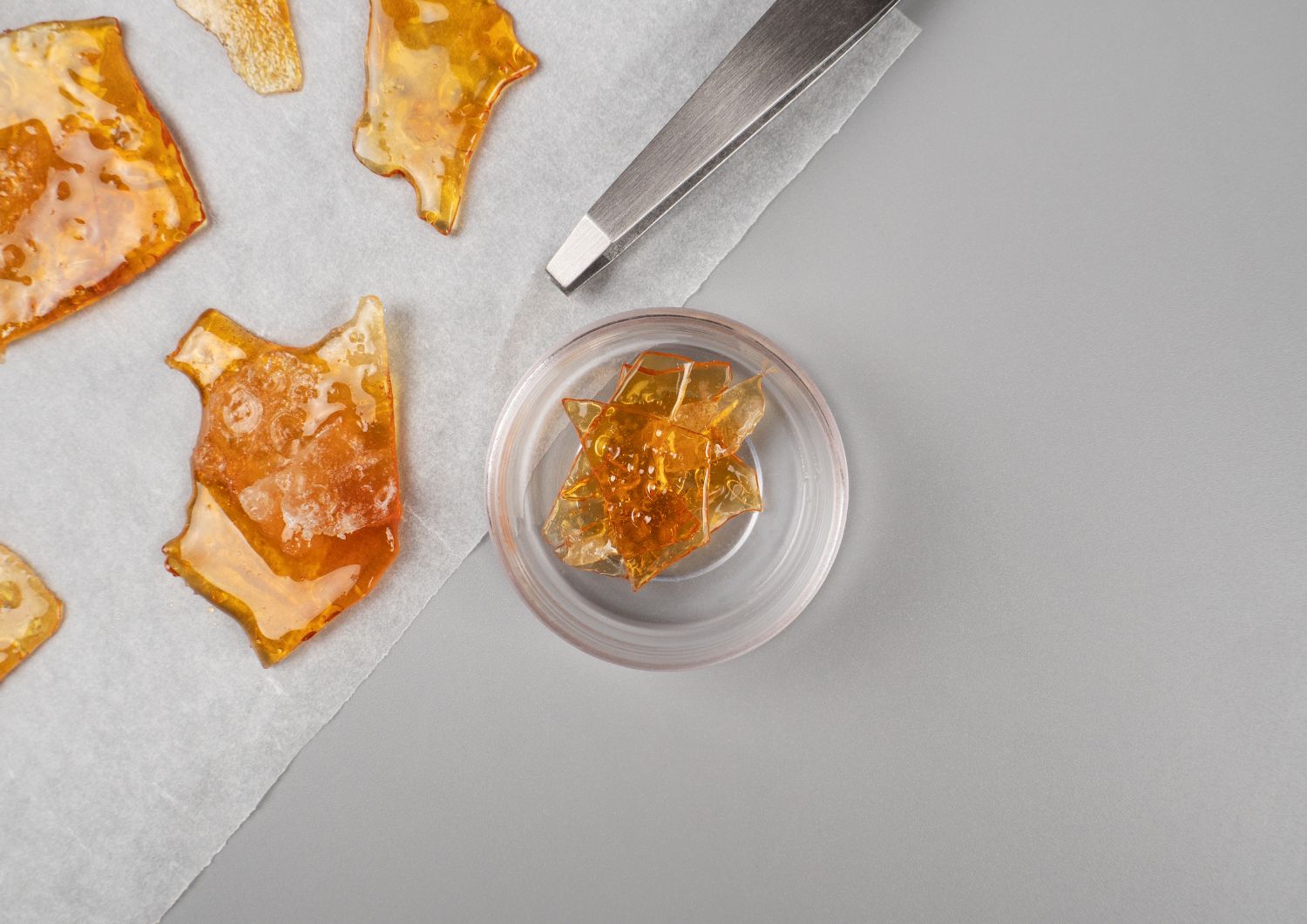
Yields typically range from 15-25% from flower—higher from quality hash—but quality is prioritized. Potency often hits 70-90% cannabinoids, with benefits from retained minors.
Pressure and material moisture affect rosin returns. Higher pressure extracts more but risks contaminating the plant. Balance gives potent, clean rosin.
Compared to others, rosin’s potency feels more rounded due to preserved compounds. It ensures strength without sacrifice.
Health Considerations in the Science of Rosin
For health, the science of rosin appeals because it’s solvent-free. This reduces inhalation risks. Research shows cleaner profiles for respiratory wellness, especially for regular users.
Full-spectrum retention may boost therapeutic effects through synergy. No purging means fewer processing steps.
That said, moderation matters with any concentration. The science of rosin offers a mindful choice for those prioritizing purity.
Evidence indicates solventless methods minimize contaminants, promoting safer consumption.
Dabbing Techniques to Maximize the Science of Rosin
Dab rosin at low temperatures, usually 450-550°F, to preserve flavour and aroma. Cold-start dabbing—placing rosin on a cool nail, then gently heating it—helps prevent terpene loss and delivers smoother hits.
Carb caps and quartz bangers enhance vaporization. Proper cleaning keeps flavours pure.
Mastering technique complements rosin, turning a press into an unforgettable session.
Home Pressing: Bringing the Science of Rosin to You
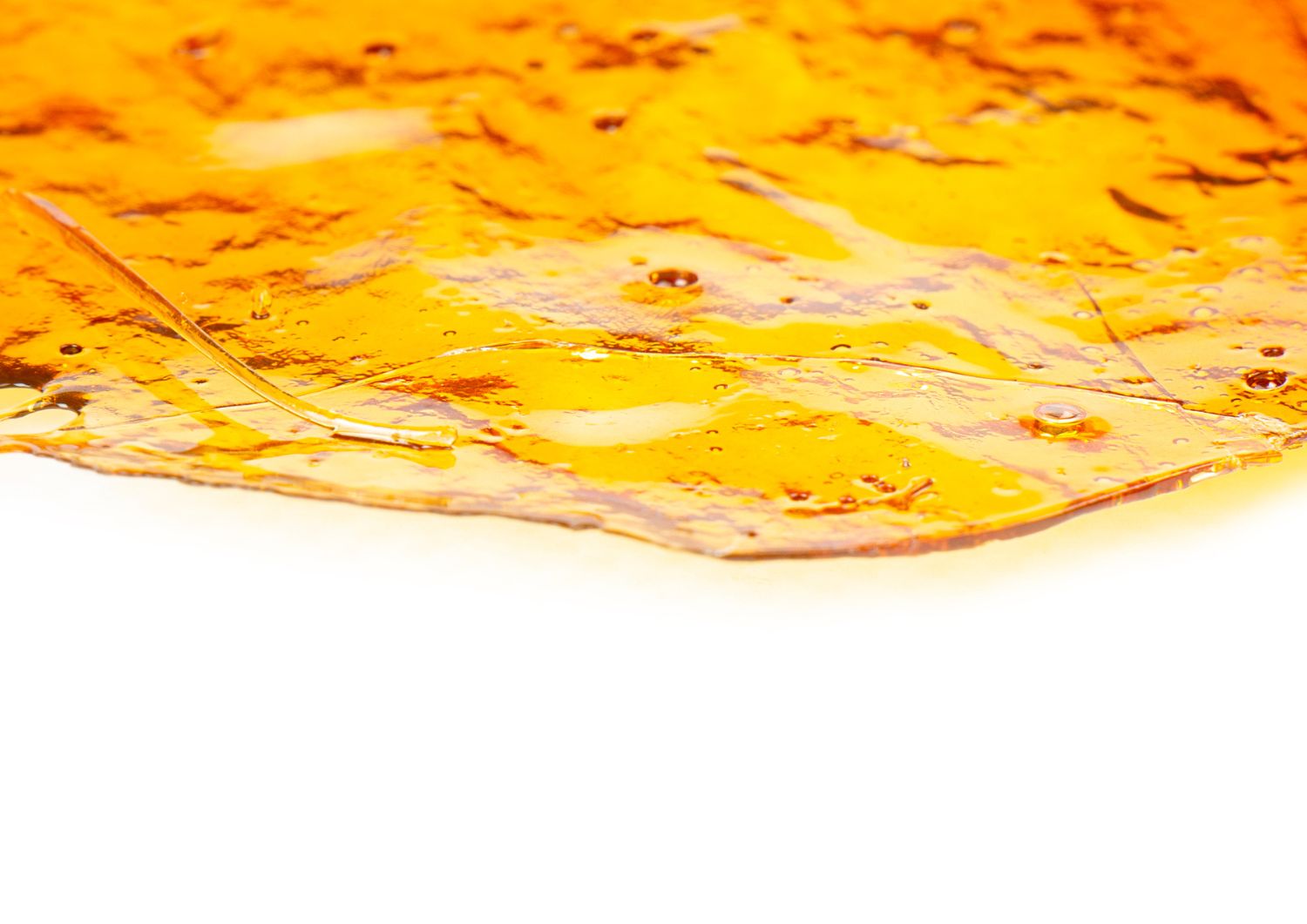
Home pressing makes rosin science accessible. Anyone with a basic setup can make custom concentrates. Use micron bags, parchment, and a reliable press.
Safety first: controlled heat avoids burns. Experiment with small batches from shop options.
It’s empowering to craft your own, understanding variables firsthand. The process becomes personal.
Rosin’s Rise in Canada’s Concentrate Scene
In Canada, rosin’s popularity is growing as people want clean, strong products. Legal markets highlight solventless options for purity. Brands continue to innovate.
From indicas to sativas, rosin captures strain essence beautifully. Check indica or sativa concentrates, for example.
Community sharing and innovation fuel this growth. Rosin fits perfectly in the Canadian scene.
Pairing Strains with the Science of Rosin Extraction
Certain strains excel in rosin production. Hybrids often balance yield and flavour—explore hybrid selections.
Terpy sativas shine live; earthy indicas deepen traditionally.
Matching material to method maximizes the scientific potential of rosin.
Future Innovations in the Science of Rosin
Looking ahead, advanced presses and enclosures will refine rosin science, capturing more terpenes. Sustainability and new consistencies will emerge.
Canada’s market will lead with premium, accessible rosin. Exciting times for enthusiasts.
Rosin continues evolving, promising richer experiences.